PIR Air Duct Systems: 5 Mistakes to Avoid During the Design Phase
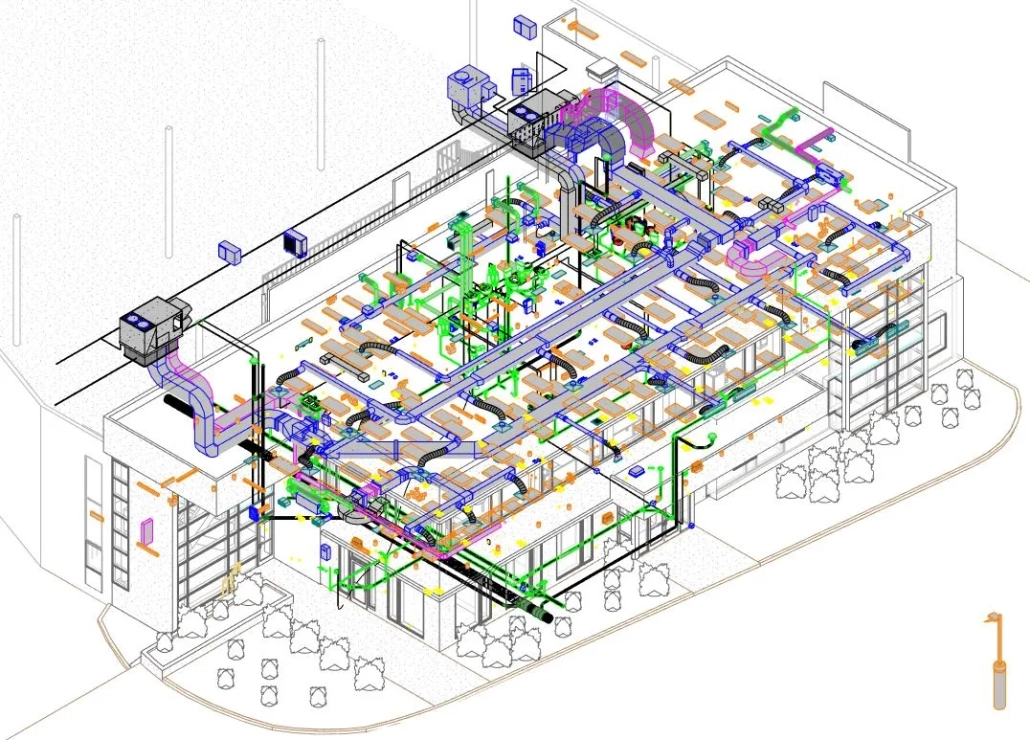
In the HVAC industry, material quality is essential—but it is not enough to guarantee system performance. Even when using high-performance pre-insulated PIR panels, inaccurate design can compromise energy efficiency, durability, and indoor comfort.
As the warmer season approaches, this is the ideal time to plan new systems or optimize existing ones. It is therefore essential to carefully evaluate the design aspects that truly make a difference.
Below are five common mistakes to avoid when designing PIR air duct systems.
1. Incorrect Sizing
Improper sizing of duct sections may lead to:
- excessive pressure drops
- increased noise levels
- higher energy consumption
- uneven air distribution
Accurate airflow and velocity calculations are essential to ensure operational stability and efficiency.
2. Failing to Consider the Installation Environment
Environmental conditions directly influence panel selection and finishing requirements.
It is important to evaluate:
- indoor vs. outdoor installation
- exposure to weather conditions
- high-humidity environments
- healthcare or industrial applications
Selecting the right solution for the operating context improves system lifespan and reliability.
3. Neglecting Joint Quality and Sealing
Air circuit continuity is critical. Even minor sealing defects can result in:
- air leakage
- reduced efficiency
- system imbalance
- increased operational costs
Design must include reliable joint systems and correct assembly procedures.
4. Inadequate Support and Suspension Design
Although PIR panels provide lightness and rigidity, proper support systems are still necessary.
Incorrect support placement may cause:
- long-term deformation
- vibration issues
- localized structural stress
- reduced airtightness
Even distribution of anchoring points ensures safety and durability.
5. Overlooking Overall Energy Efficiency
Ductwork is not a secondary element—it is a core component of HVAC performance.
Pre-insulated PIR panels help:
- significantly reduce thermal losses
- maintain stable air temperature
- improve overall system efficiency
- support energy savings
Proper design maximizes these benefits.
Conclusion
Material quality is essential, but proper design ultimately determines long-term system performance.
This is the ideal time to plan carefully, prevent critical issues, and build efficient, reliable, and long-lasting air duct systems.
Are you currently working on a project or planning a new installation?
The Isocanale technical team is available to support you in selecting the most suitable solution and to provide detailed technical guidance for optimizing system performance.
👉 Contact us for dedicated technical assistance.